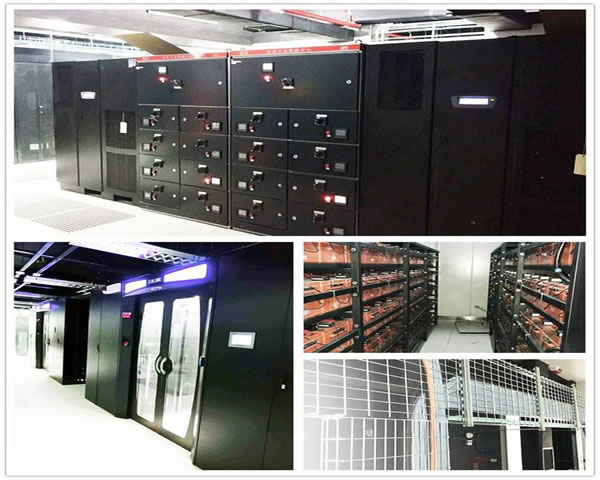
In enterprise-level deployments, the report on the comparison of speed latency and connection stability for Hong Kong VPS SSR solutions aims to provide a quantitative basis for decision-making. From an engineering perspective, this article integrates various network metrics and operational practices to conduct a systematic evaluation of the performance of SSR (ShadowsocksR) tunnels running at Hong Kong nodes. It focuses on throughput, round-trip latency, packet loss, and connection stability, helping enterprises achieve closed-loop management from data to strategy when selecting and optimizing solutions.
Overview of Hong Kong VPS SSR Solution
As a regional network hub, Hong Kong is often used by companies to expand overseas and accelerate encrypted connections with external parties. SSR offers more configurable encryption and obfuscation options compared to basic proxies, but its performance is affected by instance specifications, network bandwidth, and host resources. Enterprise-level solutions typically focus on auto-scaling, link redundancy, and operational automation, requiring a comprehensive evaluation of the impact of the transport layer and application layer on the overall user experience.
Testing Environment and Methods
The evaluation uses a reproducible testing process, including concurrent downloads, ICMP and TCP latency, 7×24-hour continuous connection logging, and proactive reconnection tests. The test nodes cover Hong Kong and major cities on the mainland. Different bandwidth peaks and instance specifications are used to observe the performance of SSR tunnels under high-load and sudden traffic conditions, ensuring that the results are representative and comparable.
Speed test metric (throughput)
Throughput is based on the actual effective bandwidth of TCP/UDP, with attention paid to peak bandwidth utilization and average rate during stable periods. Enterprise deployments require testing the aggregate throughput under multiple concurrent connections to avoid single-connection bottlenecks from masking overall capacity. At the same time, the additional overhead caused by encryption and obfuscation must be recorded to evaluate the available transmission efficiency under real business traffic.
Latency metrics (RTT and jitter)
It focuses on round-trip delay (RTT) and jitter, measured under different time windows and load conditions. Real-time-sensitive applications (such as voice, video, or financial services) have strict requirements for low latency. Hong Kong nodes generally provide a lower baseline RTT, but attention should be paid to potential latency fluctuations caused by the operator’s backhaul routes and intermediate autonomous systems.
Connection stability assessment
Stability evaluation covers packet loss rate, number of retransmissions, and session maintenance capability. Long-term testing records the frequency of connection disconnections, reconnection latency, and connection retention rate under concurrency. Enterprise scenarios require low packet loss and high availability. It is recommended to use link redundancy, health checks, and automatic retry strategies to improve the long-term stability of SSR on Hong Kong VPSs and ensure business continuity.
Impact of different architectures on performance
VPS specifications, virtualization type (such as KVM or containers), network IO implementation, and host bandwidth sharing all affect SSR performance. The CPU is sensitive to encryption loads; intensive encryption can lead to CPU bottlenecks ; Network virtualization or bandwidth sharing may cause jitter during bursty traffic. When evaluating, attention should be paid to the match between the instance’s network capacity and the number of CPU cores.
Comparison of Bandwidth and Concurrent Performance
Enterprise loads typically consist of a large number of short connections alongside a few long connections. The key metrics are the speed per connection, the number of concurrent connections, and the maximum aggregate bandwidth. The test should simulate real business traffic patterns to observe the throughput and stability of connection reuse and multiplexing strategies within the SSR tunnel at different concurrency levels, in order to determine whether they can meet peak business demands.
Security and Operations Considerations
SSR offers tunability in terms of encryption and obfuscation, but enterprise deployments should be combined with transport-layer encryption, access control, auditing, and key management. For operations and maintenance, automated deployment, monitoring and alerting, log collection, and traffic throttling need to be implemented. Robust security and operations mechanisms help to quickly identify issues and minimize the impact of failures.
Geographical Location and Routing Optimization Recommendations
Hong Kong VPS The choice should be based on the geographical distribution of target users and the quality of connectivity with operators. Using multi-line BGP or direct backbone connections, along with intelligent routing and domain name policies, can reduce delays caused by cross-border backhaul. Conduct operator-path comparison tests on key business recommendations, and achieve more stable access quality by leveraging the nearest exit points, load balancing, and failover.
Summary and Recommendations
When evaluating enterprise-level Hong Kong VPS SSR solutions in terms of speed, latency, and connection stability, quantitative metrics such as throughput, RTT, packet loss, and session persistence should be used as the basis. Optimization efforts include selecting appropriate instance specifications, ensuring CPU and bandwidth are matched, deploying link redundancy and intelligent routing, and establishing comprehensive monitoring and automated operation and maintenance processes. Through continuous testing and tuning, a stable and efficient proxy service can be achieved under real business loads.
- Latest articles
- Regional Difference Analysis: Where is it cheaper to host servers in Hong Kong and an assessment of service quality
- Comparison of Airport Pricing Systems for Native Japanese IPs and How to Choose the Most Cost-Effective Node
- Essential Guide to Moving Businesses to the Cloud: Key Points on Vietnam’s Cloud Server Contracts, Billing, and After-Sales Support
- Evaluating data center communication lines from a budget perspective: Cost composition of materials and engineering in Germany
- How are Vietnamese VPS services for brokers in terms of connecting to Hong Kong and A-share markets? What’s the latency when accessing these markets?
- From a storage perspective, the cost and efficiency of supporting 4T partitions on U.S.-based high-security servers
- Comprehensive Analysis of Latency Issues When Accessing Singapore Servers from Brazil and Optimization Methods
- Key points of performance testing: Steps for comparing before and after the upgrade of Thai servers
- Case Study of Overseas Deployment: The Entire Process from Purchasing to Going Live of CN2 Servers in Singapore
- Popular tags
-

comparative analysis of vps rental in hong kong and taiwan, which one is more suitable for you?
in-depth analysis of the advantages and disadvantages of vps rental in hong kong and taiwan to help you choose the most suitable server. -

Comparative analysis of Hong Kong VPS and Korean VPS, which one is better?
This article conducts a detailed comparative analysis of Hong Kong VPS and Korean VPS to help users choose the VPS service that suits them. -

detailed analysis of the security protection capabilities of any cloud servers in hong kong
detailed analysis of the security protection capabilities of hong kong cloud servers, including network protection, identity and access management, encryption, monitoring and logging, backup disaster recovery and compliance requirements, to help enterprises choose and optimize deployment.